7-Eleven’s Real-Time Store Visibility Comes With Higher Stakes
7-Eleven's virtual store tracking system uses cameras, sensors, and AI to monitor 85,000 locations in real-time. When one component fails, the operational gap spreads.


The modern convenience store combines high-volume transactions of low-margin products with tight staffing and technology-driven operations. These “connected c-stores” rely on an array of hardware, software, and network connectivity across point-of-sale systems, self-service kiosks (and self-checkout), digital signage and kitchen display systems, smart gas and EV pumps, beverage dispensing tech, and much more.
Connected c-stores have no room for error if they want to stay profitable (and stocked with the four big food groups). A refrigerator malfunction can spoil inventory, or a coffee machine outage during rush hour can mean lost sales.
C-stores like 7-Eleven need to know the state of their stores, down to what’s working and where stores need help, ideally without any manual checks. 7-Eleven is a particularly tricky case, with roughly 85,000 locations worldwide and annual revenue in the tens of billions. Even small hiccups in tech can compound into sizable drops in sales, increased labor costs, and bad customer experiences.
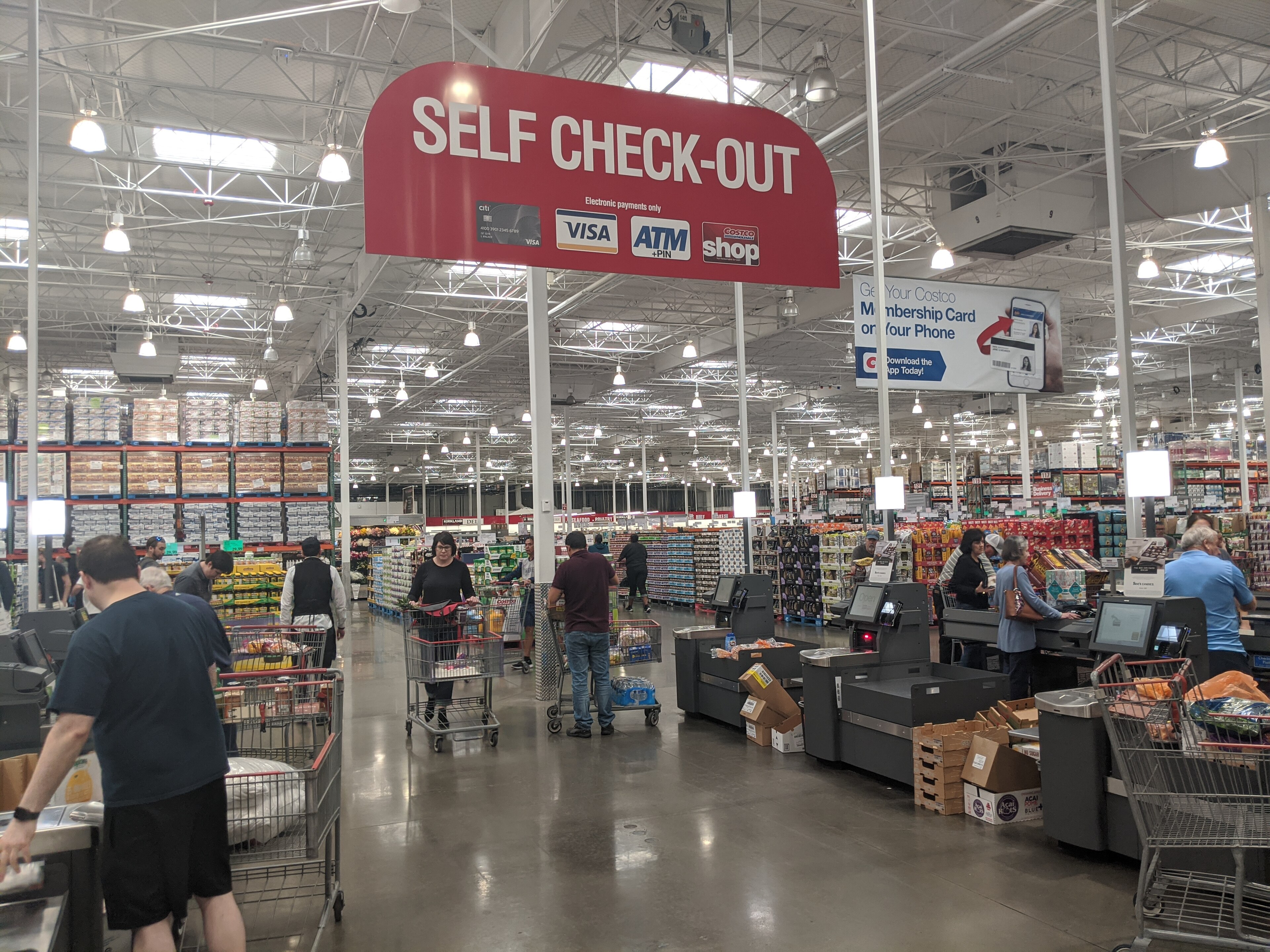
Operating so many locations consistently benefits from keeping close watch on stores, down to having a current view of what is happening inside each location. 7-Eleven developed and patented its [[virtual store tracking system]] for just this purpose. The system brings together data from in-store cameras and sensors and connects it with point-of-sale and inventory systems to create an up-to-date picture of store activity. 7-Eleven aims to support predictable operations, even during high-traffic periods. More details from CSP daily:
The system uses a video processor to identify when a customer enters and exits the store and assigns them a unique ID number, the patent said. Entry can be detected when customers scan a QR code at a turnstile or via in-store sensors.
Once entry is confirmed, the system timestamps the session and syncs all in-store camera feeds to match real-world time. The tool can track multiple overlapping shopping sessions at once.
In addition to tracking shoppers, the hardware processor detects the physical position and orientation of shelves and racks, generating a virtual layout that mirrors the store’s setup. As fixtures and items change, the virtual layout updates in real time to maintain spatial accuracy. (source)
From In-Store Experiments to Scalable Operations
7-Eleven’s tracking system reflects years of experimentation with connected c-store technology. Across these efforts, the company has focused on reducing manual work while maintaining a consistent customer experience.
In 2024, 7-Eleven rolled out AI-powered cameras as “an edge AI-driven vision detection solution at 500 convenience store locations in Japan to improve the benefits of in-store advertising.” The system tracked movement patterns and engagement with displays, with outputs used to inform merchandising decisions.

Around the same time, the company deployed highly automated store concepts in Taiwan, including unmanned locations that relied on coordinated camera coverage, sensors, and backend systems to manage inventory and transactions.
Each deployment treated the store as a continuous data source and, over time, informed how cameras and sensors could support connected c-store operations. The virtual store tracking system brings those concepts together into a single architecture designed for broad deployment.
A Look Inside the Virtual Store Tracking System
Patented last year, 7-Eleven’s virtual store system is designed to create a live digital view of activity inside each physical location. It combines inputs (like camera feeds and sensor signals) from multiple connected systems to create a data model that serves as a trusted source for inventory, staffing, and merchandising decisions.
The system relies on numerous pieces, including:
- Cameras that track where customers pause and which shelves they interact with, creating a visual record of activity that informs merchandising decisions.
- Sensors add context that cameras may miss, such as when a product is removed from a shelf or when traffic increases in a specific area of the store.
- Edge compute hardware processes data locally, enabling activity to be analyzed fast without slowing the store’s network.
- Store network infrastructure acts as the backbone, keeping components connected so data doesn’t drop during busy periods.
- Point-of-sale integration links transactions back to what the system saw on the floor, confirming what was actually purchased.
- Inventory system integration updates records based on what is sold and what is removed from shelves, reducing the gap between reported stock levels and reality.
- Analytics and machine learning software analyzes historical data to identify recurring patterns, such as stock gaps or traffic spikes, and flags situations that may require attention.
- The central data platform rolls data from individual stores into a shared system where operations teams can spot trends, compare locations, and track issues across the chain.
Together, these elements support session-level tracking of activity inside the store. Operators use the system to get a comprehensive understanding of how movement, inventory, and transactions relate to each other.
The system helps 7-Eleven identify shelf issues before they affect customers. Alerts arrive closer to when problems occur, helping teams respond during busy periods without digging through footage or reconciling disconnected data. As data accumulates across locations, the system can become more useful (assuming it continues to run reliably).
Get Powering the Pit Stop
Get the 2026 C-Store Tech Report instantly, and find out how customers rank convenience stores for hot food and tech.
Get Powering the Pit Stop
Get the 2026 C-Store Tech Report instantly, and find out how customers rank convenience stores for hot food and tech.
Where the System Can Break Down
Cameras, sensors, store networks, and backend integrations all have to stay online and in sync for teams to see the benefits of the virtual store system. A failure with one piece can cascade beyond a single device. For example, a dropped camera feed (or delayed data sync) can lead to empty shelves. Should a technical issue repeat across locations, the resulting operational gap could lead to staff being pulled away from serving customers and pushed toward troubleshooting technology.
Some of the ways connected c-store systems like 7-Eleven’s can mess up:
- Camera outages can leave parts of the store unmonitored, limiting visibility into shelf conditions and customer flow.
- Sensor failures or misreads can trigger false alerts or mask real issues, sending staff to investigate the wrong problems.
- Edge processing failures can delay activity data, leaving teams without timely insight during rush periods.
- Network instability can disrupt communication between in-store devices and central systems, leading to gaps in operational data.
- Integration drift between systems can cause inventory records to fall out of sync with on-shelf reality, leading to missed sales and customer frustration.
When the system loses alignment, the effort to run lean can translate into more customer complaints and operational stress for store teams. Remote monitoring and management help keep systems stable. The same components that observe store activity also need ongoing oversight.
Connection Raises the Stakes
7-Eleven’s virtual store tracking system reflects a broader shift in convenience retail toward real-time operational awareness. As stores grow more complex and staffing remains tight, connected technologies play an increasingly important role in keeping operations steady. They also raise the stakes for reliability.
For operators, the challenge is balancing the efficiency gains of connected systems with the technical demands behind them. Real-time visibility delivers value when the infrastructure supporting it remains dependable across all locations.



.avif)