How Will Amazon Pharmacy Keep Its Prescription Kiosk Vending Machines Secure and Reliable?
Amazon Pharmacy's prescription kiosk vending machines promise fast, secure medication pickup. Operators must monitor to ensure reliability, from identity verification to data sync.


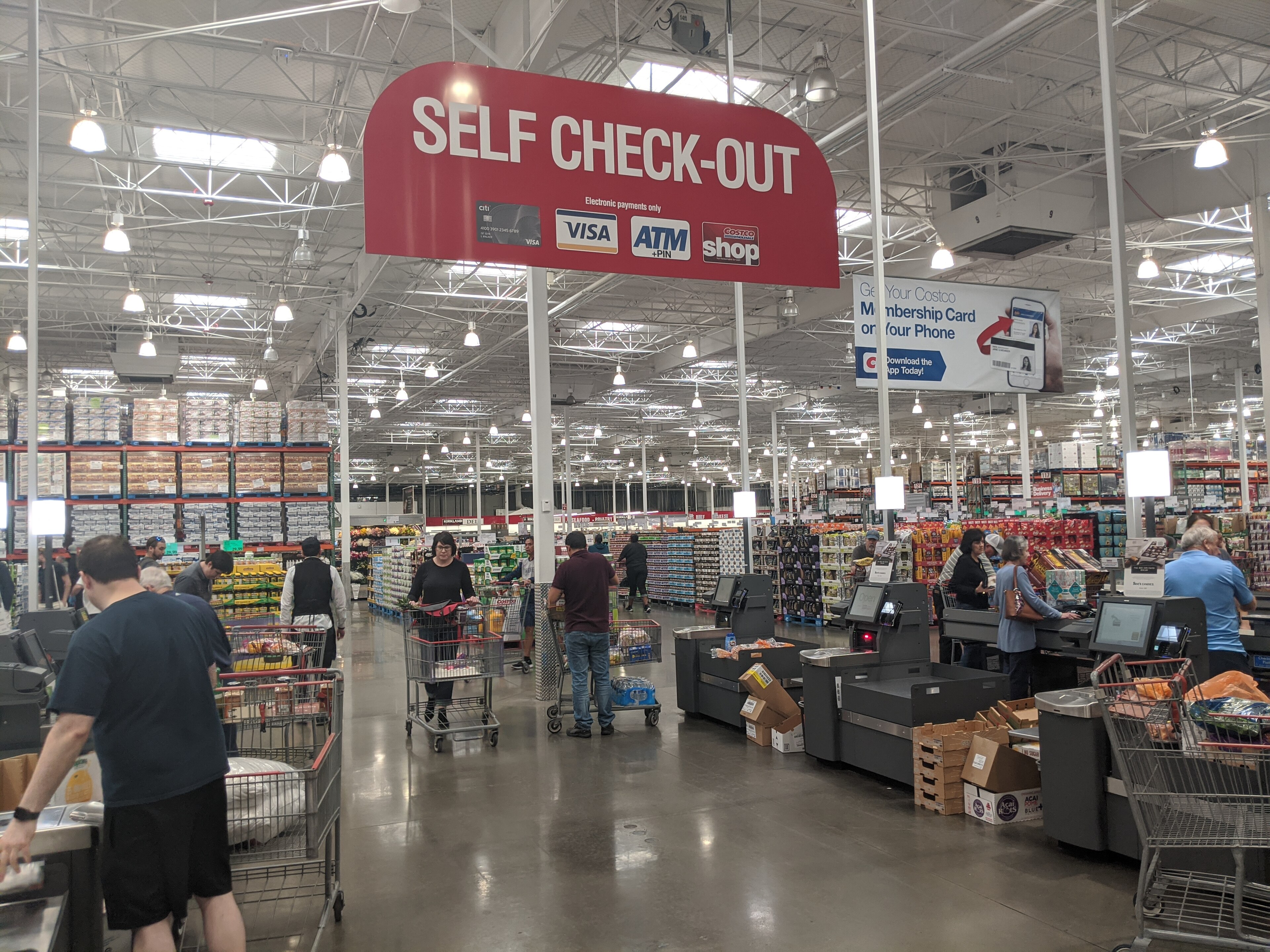
Kiosk vending machines are growing across food and retail. These machines combine the classic vending machine with the familiar “help-yourself” stations you use to print a boarding pass at an airport or place your own order at a fast-food restaurant. The result is a convenient, self-serve station you can use to grab a pizza or collect a new Pokemon card.
In short, kiosk vending machines blend hardware, software, and backend data to deliver a transaction without staff involved. Kiosks appeal to businesses because they expand service and throughput with relatively low overhead, and customers like kiosks because they offer a quick, self-directed way to get what they need. These machines handle everything from food to merchandise, and customers barely think twice before using them.
Now, prescription medication is coming to these kiosks. Amazon Pharmacy is rolling out app-connected kiosk vending machines in clinics and medical offices so people can get prescriptions right after healthcare appointments, with plans to bring the machines to other high-traffic places for on-the-go pickup.
Amazon is betting that the preference for self-service technology in everyday tasks can also extend to pharmacy pickup. People already use screens and automated systems for food, travel, and retail, so why not prescriptions?
The kiosk approach builds on the delivery system Amazon already uses to simplify prescriptions. The kiosks also introduce new technical demands. They work by receiving a prescription from a provider, then scanning a QR code in the patient’s Amazon app to dispense the prescription. Multiple devices have to work together to check identity and deal out the right medication, which creates potential for systems to fall out of sync and interfere with pickup.
Even in the simplest scenarios, kiosks are complex machines prone to integration and connectivity issues that interrupt service. Add in the stakes and security needs of healthcare environments, and the risk gets that much higher.
.avif)
Amazon Pharmacy Delivery: What Customers Say
Picking up a prescription is an errand most people would rather avoid. Costs are unclear until you reach the counter, and pharmacy pickup windows can have long lines and inconvenient hours. For patients managing ongoing health conditions, pharmacy runs can throw off schedules completely.
Starting when it acquired PillPack in 2018, Amazon Pharmacy’s delivery service eased many of those friction points by offering clear pricing and predictable arrival times. This helped the process fit more naturally into customers’ daily routines.
Even with these conveniences, experiences with the service vary. Some customers describe a straightforward process that makes insurance transfers simple and automatically applies discounts.
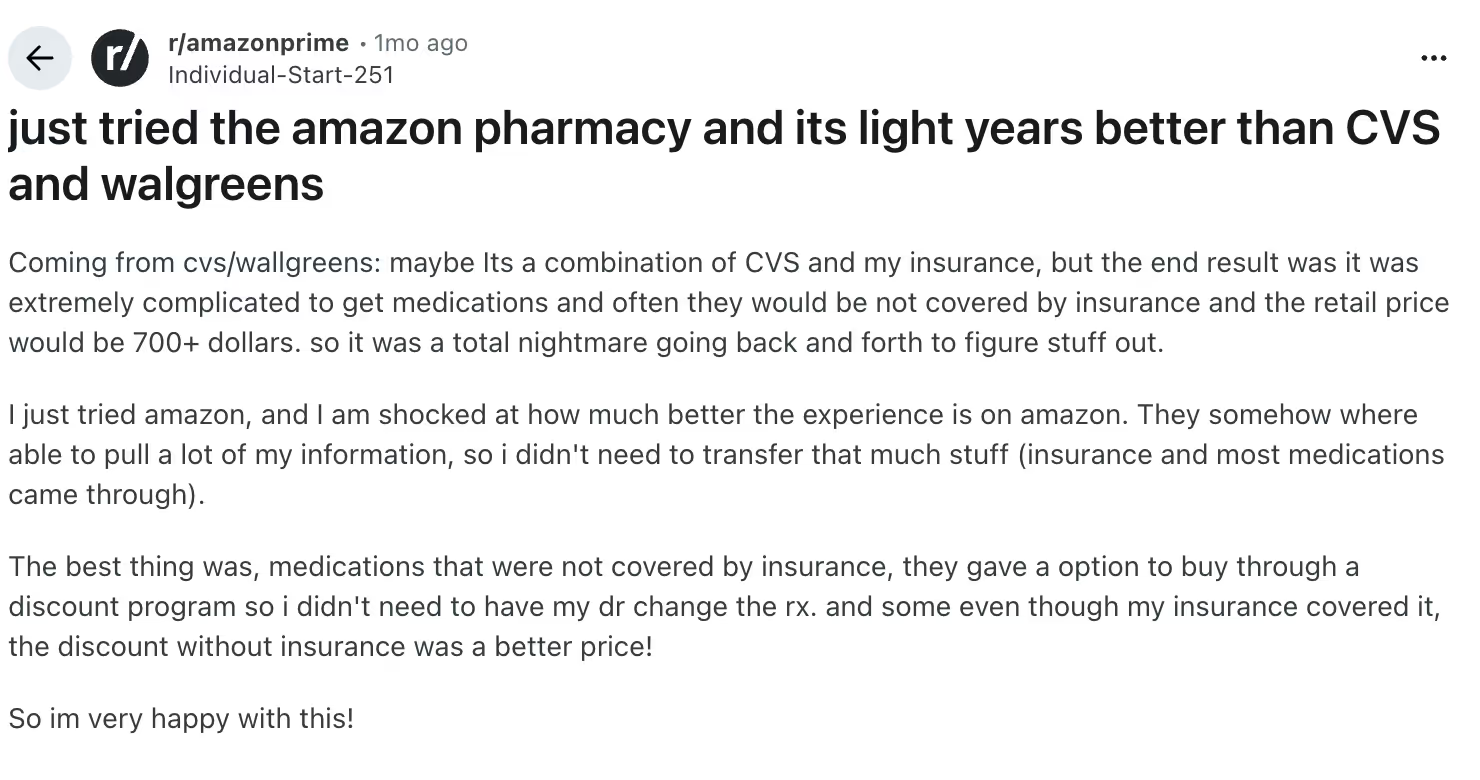
Others have shared frustrations online. Misdeliveries are a recurrent complaint.

Kiosk vending machines offer a way to preserve what works well about Amazon Pharmacy’s model while getting rid of some risks associated with home delivery. And because self-service kiosks are already familiar to most people, customers are likely to get on board.
That customer buy-in raises the stakes of kiosk reliability. The more people use it, the more they’ll expect it to work correctly every time.
What Prescription Kiosks Handle Behind the Scenes
To become (and stay) a go-to resource for customers, prescription kiosk vending machines have to work consistently under uncommon conditions. The system must be able to verify identity, store medication appropriately, safeguard health information, and maintain data accuracy across systems, all functions that depend on tight integrations.
If a machine falters at any of these steps, a customer may get the wrong medication or be forced to walk away empty-handed. Here’s what prescription kiosk operators should consider to avoid those outcomes.
1. Identity verification that holds up in all conditions
A kiosk must match the right patient to the right prescription with total accuracy. That requires a consistent, secure link between the app, the kiosk, and backend systems. It also needs to handle everyday disruptions (such as dim lighting, weak connectivity, or damaged screens) without causing delays or errors.
2. Hardware that stays within strict environmental limits
Temperature control is another pressure point. Amazon Pharmacy’s kiosks rely on compartments and enclosures that stay within specific limits, and these features only work as expected when the sensors and moving parts stay calibrated. A kiosk placed in an airport lobby faces different temperature swings and vibration than one in a quiet clinic, and even small shifts over time can create problems long before anyone on site notices.
3. Data consistency across cloud and device software
Medication pickup depends on accurate, up-to-date information. When a doctor changes a prescription or cancels a pickup, the kiosk needs that update immediately. If the app and machine fall out of sync, the patient is left unsure of what’s actually ready, which interrupts the experience and compromises trust.
These needs set a high bar for healthcare vending. The consequences of a mismatch or device failure are more serious than in a typical food or retail setting.

Do you live on the edge of endpoint management?
Discover how global brands and businesses manage their connected product ecosystems. Get the inside-scoop from the hidden architects and teams who ensure their remote devices never go down.
Subscribe to the Canopy Insights newsletter.
Do you live on the edge of endpoint management?
Discover how global brands and businesses manage their connected product ecosystems. Get the inside-scoop from the hidden architects and teams who ensure their remote devices never go down.
Subscribe to the Canopy Insights newsletter.
How to Monitor and Manage a Pharmacy Kiosk Network
Keeping a network of prescription kiosk vending machines reliable requires steady visibility into how the machines perform day-to-day. Once deployed, machines must be monitored continuously so teams can respond to issues early, before they affect patients.
So, what are the practical steps prescription kiosk operators can take to surface and resolve issues instantly?
1. Monitoring Each Component
Scanners, cooling units, locks, and connectivity modules give off early signals when they’re starting to drift (for example, slower scans, inconsistent lock readings, or brief network drops). These small changes often point to wear on components or processes that aren’t running cleanly. If they’re missed, the issues can escalate into failed pickups or devices dropping offline. Catching the early signs gives operators time to recalibrate or repair the kiosk before it affects patients.
2. Recognizing Patterns
Some issues only become clear when the same event repeats: failed scans at certain times of day, authentication errors clustered at specific locations, or pickups that consistently stall after a particular step. These patterns signal network congestion, misaligned sensors, or software workflows that aren’t syncing. Looking at events in isolation hides these trends; however, by viewing these events together, patterns emerge that show where the system is struggling. Identifying patterns early helps operators address the underlying issue before it spreads.
3. Managing Updates
Kiosks rely on software and hardware, and software and hardware both regularly require updates, from firmware patches to security fixes to workflow improvements. When updates don’t reach every kiosk, or a machine gets stuck on an older version, behavior starts to drift in ways that can be hard to diagnose. Authentication flows may take longer, or integrations may stop syncing at the right intervals. A controlled and observable update process keeps kiosks aligned and reduces the risk of unpredictable performance.
Kiosk maintenance benefits from being proactive. By spotting problems early and understanding how kiosks behave across locations, operators can prevent many of the failures that interrupt patient pickup and damage trust in the kiosk experience.
Amazon’s Rollout Will Influence Patient Expectations Across Healthcare
Amazon has a long history of raising consumer expectations by making everyday tasks feel easy. Prescription kiosk vending machines may have a similar effect if they work reliably. If a patient can pick up medication on the way out of an appointment in under a minute, standing in a traditional pharmacy line will feel unnecessary.
Healthcare providers are already reacting to the rollout. One private practice doctor on Reddit noted that routine visits could become significantly smoother once patients can pick up certain medications before leaving the clinic.

Comments like these foreshadow the operational burden the health industry will take on if the prescription kiosk model gets popular. Kiosks will need to reliably confirm identity, remain mechanically sound, and keep information aligned across every step of the pickup process. Once patients become accustomed to this level of speed and clarity, they will expect a similar experience every time they need a prescription.
The Work Happening Beneath the Interface
Pharmacy kiosk vending machines only function effectively when the systems behind them remain in sync. Teams exploring automated dispensing, in healthcare or other settings, benefit from understanding this layer early. The kiosk a patient interacts with is only one part of the broader operation that keeps the experience consistent.
To learn more about what it takes to run a reliable kiosk operation at scale, bookmark our breakdown of modern kiosk management.



.avif)