Is Fast Food Ready for Unmanned Service? Revelations From White Castle and Donatos
White Castle and Donatos are testing unmanned food kiosks in airports. 80% of QSR customers report kiosk problems. When there's no staff, tech failures shut down service.


In recent years, some quick-service restaurants (QSRs) and vendors have introduced unmanned stations that deliver higher-quality food than a typical vending machine. In airports, hospitals, and college campuses, these hot-food [[kiosks]] are expanding to supplement traditional service and reduce labor needs, often targeting late-night hours and slow periods.
At a high level, these systems rely on multiple layers of connected technology to replicate core restaurant functions.
Customers place orders through a touchscreen interface or mobile app. Behind the scenes, robotics or semi-automated equipment handles food preparation. [[Inventory management systems]] track ingredient levels and payment systems process transactions, and cloud-based software coordinates operations across locations. Human involvement is typically limited to restocking and maintenance.
In a service environment, good food can’t make up for systems that don’t work reliably. This is a high bar to clear, especially considering kiosks in traditional QSRs still experience frequent issues. With “unmanned restaurants,” the stakes are even higher because when tech fails, the restaurant is closed by default.
The QSR industry still has hurdles to overcome before unmanned food service becomes widespread. Let’s explore where the sector stands today and what lessons it might draw from traditional QSR kiosks.
Unmanned Food Service in Action Today
Only a small number of unmanned food stations are currently in operation, and most are located in high-traffic areas such as airports. These settings offer a practical testing ground, with steady demand and more predictable conditions than a typical street-facing restaurant.
For now, deployments remain limited in scale as brands and vendors see how these systems perform under real-world conditions.
White Castle Teams Up With Evolvending
In partnership with Evolvending, White Castle has rolled out unstaffed food kiosks in select airports.
These systems operate like advanced vending machines. Customers order from a digital interface, and the system heats and assembles pre-prepared items, dispensing hot meals in minutes. The appeal is always-on availability with a minimal footprint and no on-site labor.
As Neil Thompson, chief operating officer for food tech provider Evolvending, put it, “We don’t think of them as vending machines. They really are unstaffed restaurants. It’s a great marriage of food technology and then machine technology coming together to re-create restaurant-quality meals.” (YouTube)
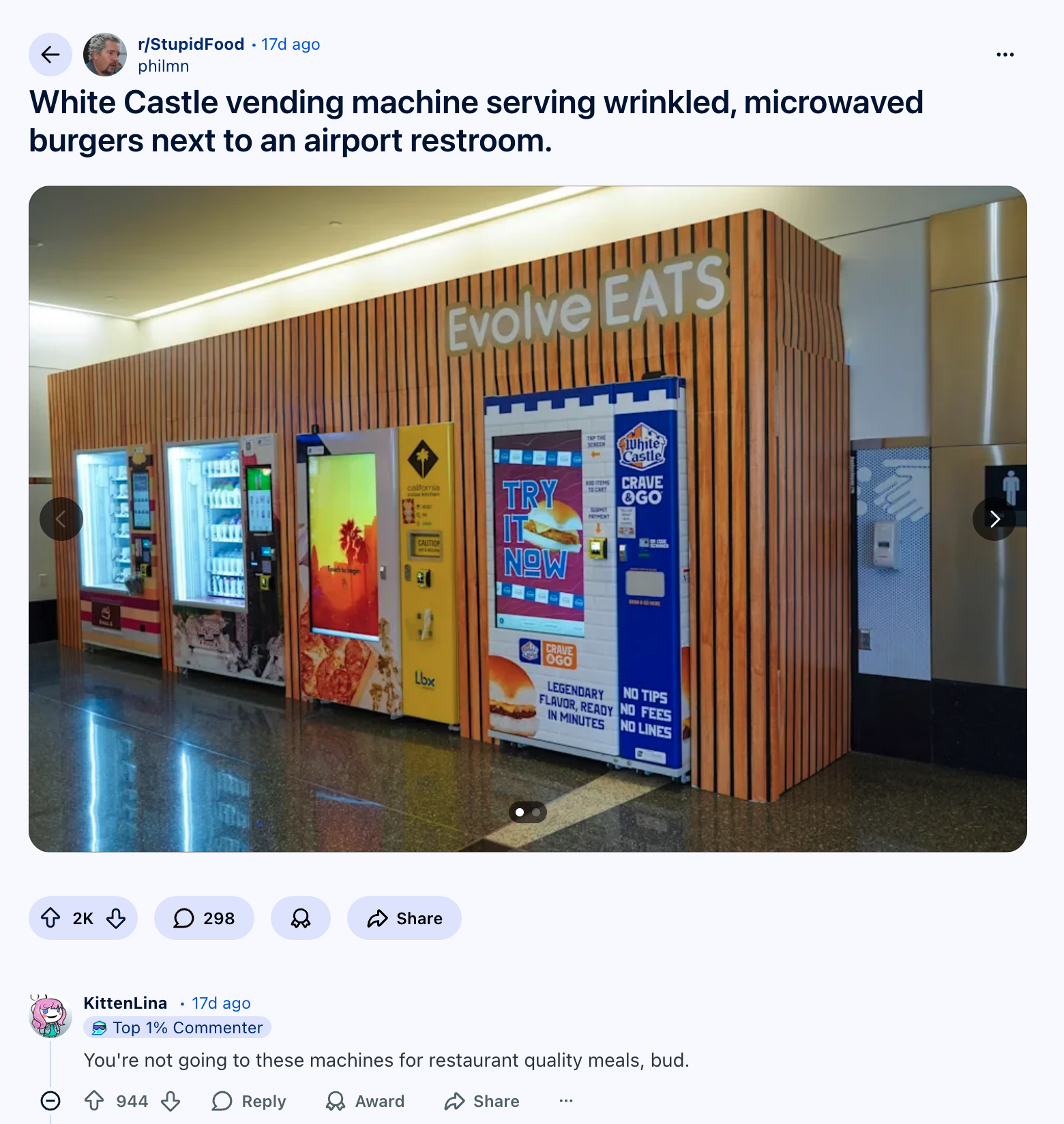
Customers see it differently. When one patron complained online about White Castle’s kiosk “serving wrinkled, microwaved burgers next to an airport restroom,” another replied, “You’re not going to these machines for restaurant quality meals, bud.” More than 900 users agreed with the sentiment.
Washington Post columnist Tim Carman wasn’t impressed either. He noted the kiosk is “little more than an oversize tablet,” and food options are limited. Worse, the finished product fell short of his expectations. “The moment you bite into this vending machine slider, you realize the whole unstaffed restaurant analogy falls apart,” Carman wrote. “These burgers are not restaurant-quality. They’re barely freezer-section quality[.]”
Delivering high-quality kiosk food may require more advanced technology too, which could make it even harder to keep the system running smoothly.
Donatos and Appetronix Raise $6M for Automated Kitchens
Where White Castle and Evolvending are creating advanced vending machines, Donatos and Appetronix are automating kitchens.
Last summer, the companies launched an autonomous pizza kitchen at an Ohio airport and raised $6 million in seed funding to deploy the concept with other eateries. The idea is to provide higher-quality food for customers in transit.
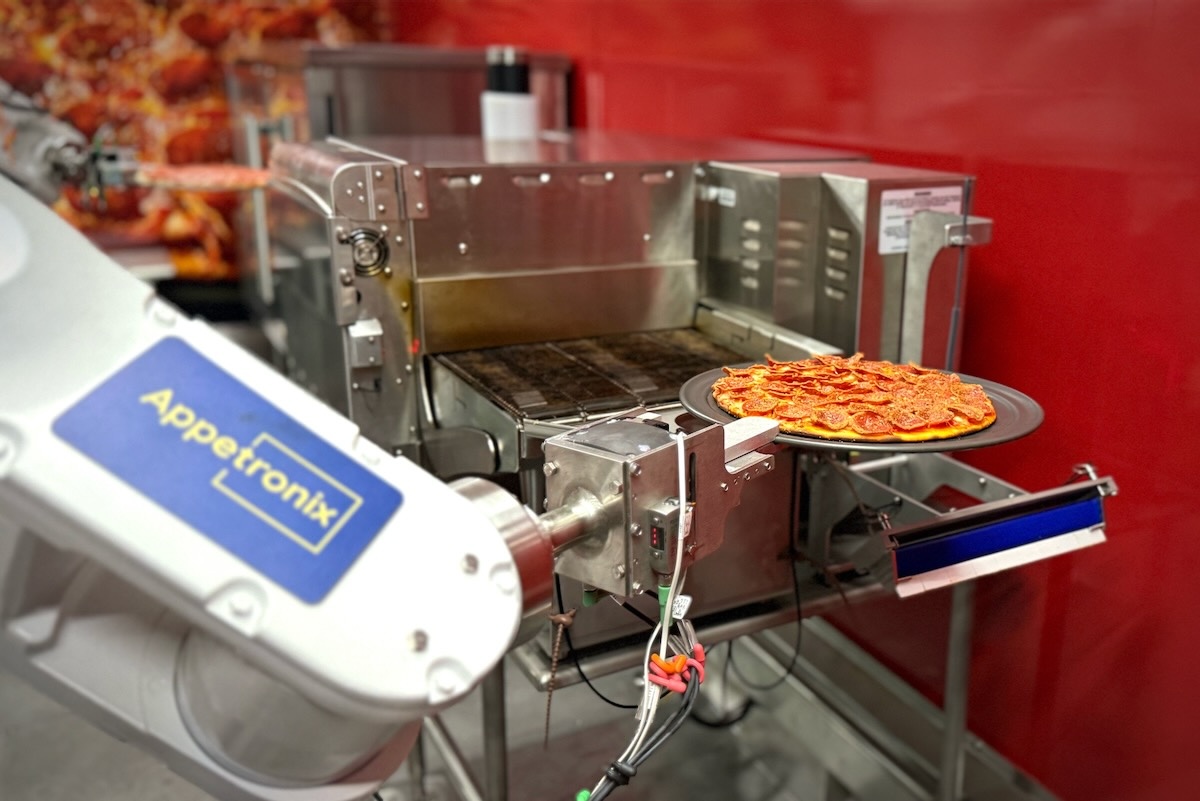
Compared to White Castle's, Donatos' unmanned storefront has more steps and a much larger footprint. The machine assembles pizzas from raw ingredients, then tops, bakes, and boxes them without human involvement. Customers order through a kiosk, watch the process through a window, and retrieve their food from heated compartments.
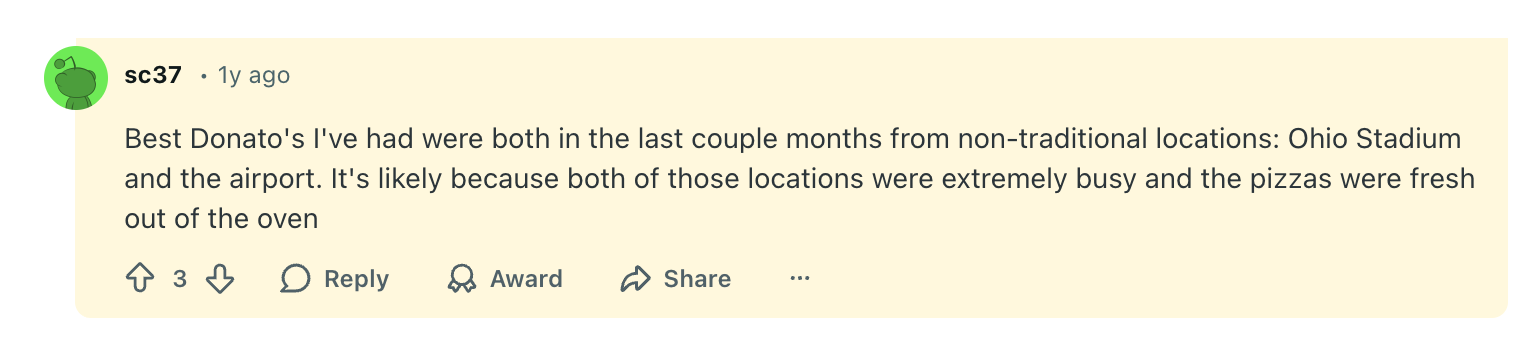
This model aims to more closely replicate a traditional QSR experience, and it seems to be paying off. One TikTok reviewer says the pizza looks and tastes just like an original Donatos pie, while a Reddit commenter wrote, “Best Donato's I've had were both in the last couple months from non-traditional locations: Ohio Stadium and the airport.”
Automated food concepts (from pizza vending machines to robotic kitchens) have surfaced repeatedly over the past decade, often generating early attention but struggling to scale consistently.
The Donatos-Appetronix model faces the same fundamental constraint as other unmanned systems: delivering a reliable experience without on-site staff to absorb friction when something goes wrong.
Lessons From Traditional QSR Kiosks
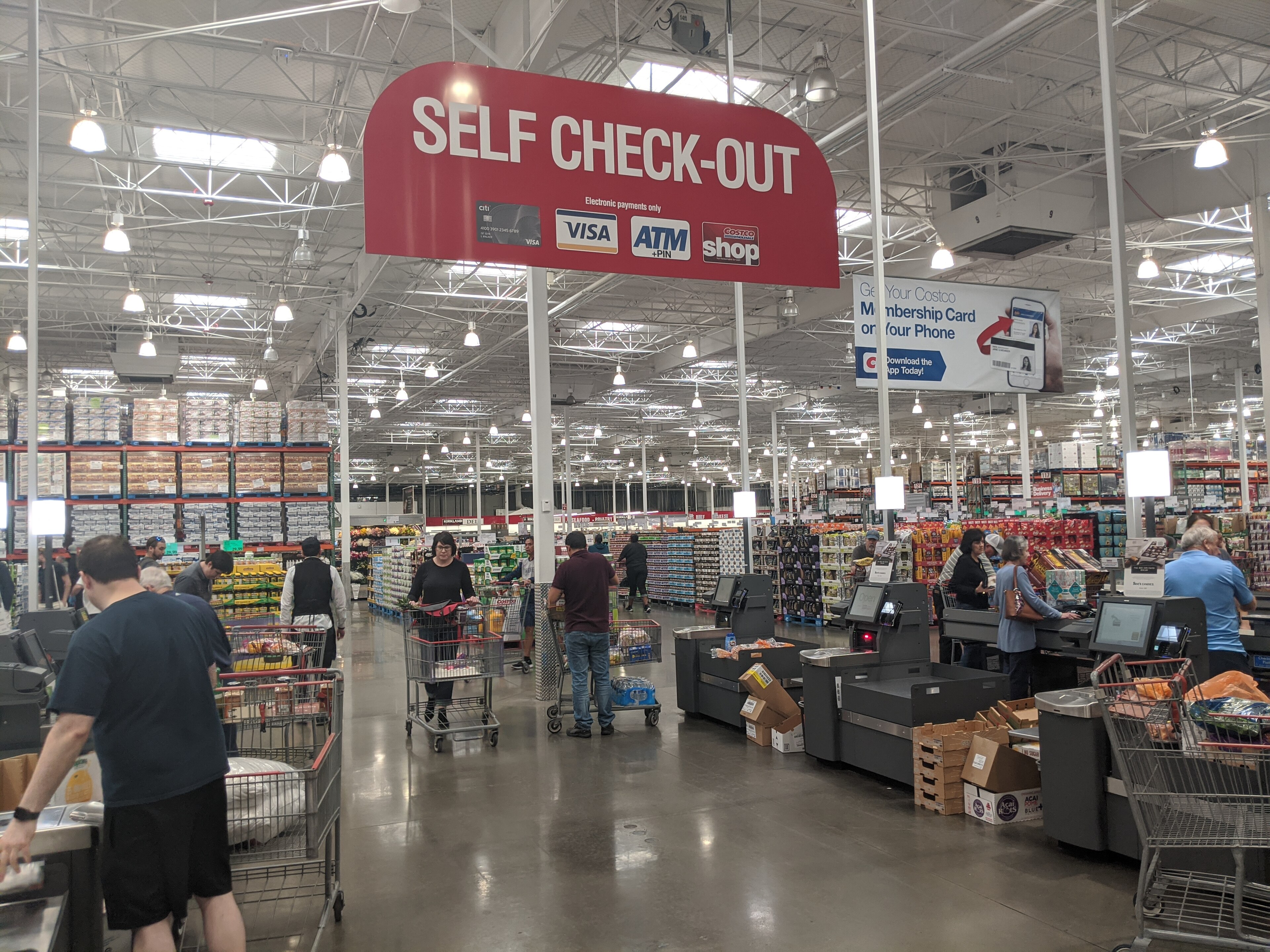
To understand where unmanned kiosks are headed, consider how kiosks perform in traditional QSRs today. The same issues that interrupt transactions at staffed restaurants can shut down service entirely in an unmanned model.
On paper, kiosks are designed to reduce friction, give customers more control, and reduce the burden on staff. In practice, they often shift that burden rather than eliminate it. And while kiosks have improved ordering speed and flexibility, they also introduce consistent points of failure that operators are still working through.
Canopy surveyed both QSR employees and customers for a deeper understanding of kiosk breakdowns. Here’s what we’ve learned:
- QSR customers see kiosks as an added convenience, but most have run into problems. More than 60% of customers use kiosks at least occasionally, citing faster ordering, easier customization, and more time to browse. Only about 20% of customers say kiosks “always” work, with 80% reporting issues.
- Employees are called in for backup often. More than three-quarters (81%) of employees are frequently called upon to help customers resolve kiosk issues.
- Minor components cause major breakdowns. Both customers and employees cite frozen screens, payment failure, and receipt printer malfunctions among the top issues with kiosk orders.
- Tech failures can leave a lasting stain on your brand. Four in five customers say QSR technology influences where they choose to eat.
Takeaways for unmanned kiosk operators
What does all this mean for unmanned kiosk operators?
- Kiosk technology has a ways to go in terms of reliability. Unmanned kiosks are vulnerable to the same problems as traditional ones. For unmanned service to work, operators need better ways to monitor and manage each component of the system, from order selection to payment and fulfillment.
- Customers are paying attention to tech performance. Because technology now plays a major role in where customers choose to eat, kiosk experiences directly impact loyalty. Even small failures carry weight. A single bad interaction can sour the entire visit, and repeated issues can push customers to another brand.
How Can Unmanned Food Service Become Widespread?
If unmanned restaurant service is going to scale, it will need to address the same problems that already exist in traditional restaurant technology, with even less margin for error.
Start with [[uptime]]. In a staffed restaurant, a kiosk going down is an inconvenience. In an unmanned environment, it can take the entire operation offline. Every component (ordering, payment, preparation, connectivity) has to perform reliably and continuously.
Next is visibility. Many kiosk issues today go unnoticed until a customer or employee reports them. When there are no staff, operators need real-time insight into system performance across locations, with the ability to detect and resolve issues before they impact the customer experience.
Then there’s recovery. Failures are bound to happen. What matters most is how quickly systems can recover. Remote diagnostics, automated resets, and centralized management minimize downtime and maintain service continuity.
The same issues that limit kiosk performance today will determine whether unmanned concepts succeed at scale. To learn more about running a reliable restaurant, read our QSR employee report and QSR customer report.
Get Fast Food Fault Lines
Access the 2026 Restaurant Tech Report instantly, and find out how to run a more reliable restaurant.
Get Fast Food Fault Lines
Access the 2026 Restaurant Tech Report instantly, and find out how to run a more reliable restaurant.



.avif)