What is a Virtual Store Tracking System?
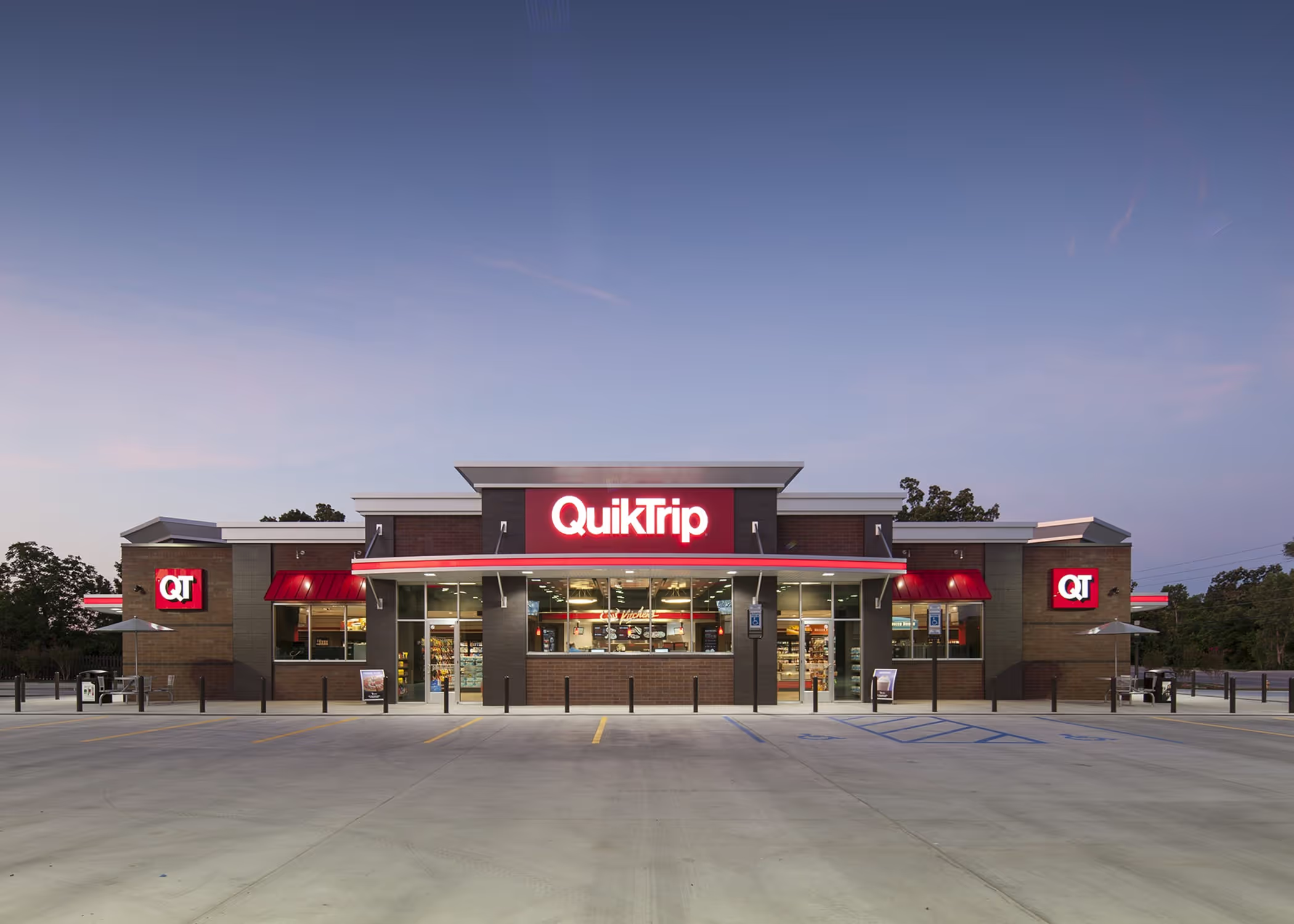
A virtual store tracking system is a comprehensive monitoring and analytics platform that captures customer behavior, inventory movement, and operational performance within digital shopping environments including e-commerce platforms, virtual reality stores, and hybrid physical-digital retail experiences. 7-Eleven exemplifies how a virtual store tracking system can look. These systems combine [[IoT devices]], computer vision, sensor networks, and data integration to track metrics such as customer navigation patterns, product interactions, conversion rates, virtual cart abandonment, and digital queue wait times. In hybrid retail environments, virtual store tracking systems often connect with [[point-of-sale systems]], inventory management platforms, and [[digital signage]] to create unified visibility across both physical and digital storefronts. When integrated with [[remote monitoring and management]] platforms, operators gain real-time insights into system performance, can identify technical issues affecting the customer experience, and can optimize digital merchandising strategies based on behavioral data. These systems are useful for retailers operating omnichannel strategies that blend in-store, online, and immersive shopping experiences.
Goal of Virtual Store Tracking System
The primary goal of a virtual store tracking system is to provide retailers with comprehensive visibility into customer behavior and system performance across digital shopping channels. By integrating with [[remote device management]] platforms, operators can ensure the underlying technology infrastructure supporting virtual stores remains operational, responsive, and optimized while simultaneously gathering insights to improve conversion rates and customer satisfaction.
Key Functions
- Tracks customer navigation patterns and product interaction data in virtual environments
- Monitors system performance metrics including load times, rendering quality, and server response
- Integrates with POS systems for unified transaction tracking across channels
- Captures conversion funnel analytics from browse to purchase
- Manages [[digital signage]] and interactive display performance in hybrid stores
- Sends automated alerts for technical issues affecting user experience
- Supports [[remote troubleshooting]] of platform connectivity and performance problems
- Provides real-time inventory synchronization across virtual and physical locations
- Monitors [[network devices]] and server infrastructure supporting virtual storefronts
Challenges
- Ensuring consistent performance across diverse devices and connection speeds
- Integrating data from multiple platforms and touchpoints into unified dashboards
- Maintaining privacy compliance while tracking detailed customer behavior
- Monitoring complex technology stacks including servers, databases, and rendering engines
- Diagnosing user experience issues without direct physical access
- Coordinating updates and maintenance across distributed [[IoT devices]] and displays
- Preventing [[downtime]] during peak shopping periods and promotional events
Canopy's Role
Canopy's [[remote device management]] platform supports comprehensive monitoring of technology infrastructure, similar to the kind powering virtual store experiences. Through integration with [[IoT devices]], [[network devices]], and server monitoring tools, Canopy provides real-time visibility into system health, performance metrics, and potential issues affecting the customer experience. The platform's [[custom alerts]] notify IT teams of problems such as server latency, connectivity failures, or rendering errors before they impact shoppers. [[Diagnostic tools]] enable teams to identify root causes of performance degradation, application crashes, or integration failures remotely. By deploying the [[Leaf Agent]] on [[edge computing]] devices supporting virtual stores, operators gain access to [[remote command execution]] for system restarts, configuration updates, and performance optimization. Canopy's [[device fleet management]] capabilities help track maintenance schedules, software versions, and hardware performance across all endpoints supporting virtual shopping experiences—ensuring optimal [[uptime]], fast load times, and seamless customer experiences across every digital storefront.
.avif)
